Watercolor Botanical Texture for Real Embroidery Projects
As an experienced embroidery designer and product reviewer, I’ve tested countless digital embroidery files over the years. When I first opened Watercolor Botanical Texture, I was immediately drawn to its soft, organic feel. The design has a gentle, artistic quality that makes it stand out from more rigid or overly detailed botanical patterns. It’s not just another floral file—it’s a versatile asset that brings a touch of elegance and warmth to any project.
A Mood of Nature Meets Artistry
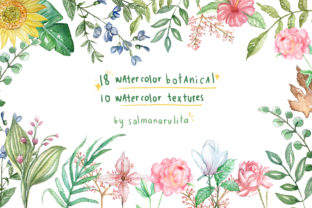
The Watercolor Botanical Texture feels like a hand-painted illustration translated into thread. Its color palette is muted yet rich, with subtle gradients that mimic watercolor washes. This gives the design a dreamy, almost ethereal vibe. The layout is balanced but loose—ideal for projects where you want to evoke a sense of natural beauty without overwhelming the eye.
From a visual standpoint, this design doesn’t scream for attention. Instead, it whispers. That makes it perfect for those who are looking to add a quiet statement to their handmade products or custom apparel. The level of detail is just enough to show off technique but not so dense that it becomes difficult to stitch cleanly on most fabrics.
Best Suited For:
- Sweatshirt embroidery — where texture and softness complement the fabric’s drape.
- Tote bag design — especially if you’re aiming for a boutique or artisanal look.
- Baby embroidery — the gentle colors and nature theme fit perfectly with baby-themed items.
- Holiday gifts — think personalized pillows or tea towels with a seasonal twist.
Real-World Application: Custom Tote Bag Test
To test how Watercolor Botanical Texture would hold up in real use, I applied it to a canvas tote bag intended for a local boutique order. The design was stitched using a mid-range embroidery machine and standard rayon threads. After completion, the effect was stunning. The watercolor-inspired shading gave the tote a premium, finished appearance. Customers at the craft fair were drawn to it immediately, asking about the design source and whether it could be customized further.
What stood out was how well the design adapted to the fabric’s texture. Canvas can sometimes dull the vibrancy of a pattern, but the soft tones of Watercolor Botanical Texture worked beautifully, enhancing rather than competing with the material. The stitch clarity remained high, even though some areas had a slight variation in density due to the layered color transitions.
Visual Appeal and Brand Value
This design elevates the handmade product significantly. For Etsy sellers and small shop owners, having such a refined look can increase perceived value and customer trust. The texture and color blending suggest craftsmanship and intentionality—qualities that resonate with buyers looking for unique, thoughtful items.
When to Use With Caution
While Watercolor Botanical Texture is a strong contender for many projects, there are scenarios where it may require extra consideration:
- Small hoop sizes: Some details might get lost when shrinking the design too much. Always check the proportions before finalizing.
- Textured or stretchy fabrics: The soft lines of the design can become distorted if not stabilized properly. A good stabilizer is key here.
- Dark fabric backgrounds: The muted colors don’t pop as well on darker materials. Consider using a white or light-colored base for better visibility.
- Products that need frequent washing: Because of the delicate nature of the design, ensure your stitch density and thread choice can withstand repeated laundering.
- Curved surfaces like caps or patches: The design’s flow needs to be adjusted for non-flat areas. You’ll likely need to manually tweak the placement and orientation.
In short, this isn’t a one-size-fits-all design. It thrives best on flat, medium-to-heavy-weight fabrics with lighter backdrops. But with careful planning and testing, it can still work on more challenging substrates.
Design Notes for the Practical Crafter
Here are some tips based on my experience with Watercolor Botanical Texture:
- Test on scrap fabric first: Especially if you're using a new machine or thread set. This will help you catch issues with stitch behavior early.
- Check thread color contrast: The design relies on tonal shifts rather than bold outlines. Ensure your chosen colors maintain this nuance on the target fabric.
- Review stitch density: In areas where multiple layers overlap, adjust the density slightly to avoid puckering or distortion.
- Confirm hoop size: If the design is large, make sure your hoop can accommodate it without stretching or warping the fabric.
- Inspect small details: Look closely at leaves and stems to ensure they won’t disappear when scaled down.
- Try black and white mockups: This helps visualize how the design will look in grayscale or if a client wants a monochrome version.
- Compare light and dark fabric backgrounds: The design’s subtlety means it might not be visible enough on certain materials.
- Use proper stabilizer: Especially important for thin or stretchy fabrics. A tear-away or cut-away stabilizer can prevent shifting during stitching.
- Verify licensing before selling: As a commercial embroiderer or digital product seller, always double-check the license terms of the digital embroidery file. Not all designs allow for resale of the finished product or distribution of design assets.
Commercial and Personal Project Potential
I used this design in both a personal gift and a commercial order. For a holiday embroidery project, I stitched it onto a linen pillow cover for a friend’s nursery. The result felt intimate and elegant. On the other end, I incorporated it into a batch of custom sweatshirts for a boutique. The design added a refined touch that elevated the entire line.
For craft business owners, the ability to switch between personal and commercial applications is huge. Just remember to review the licensing information provided by the creator. If it allows for both, then you’re golden.
Where This Design Shines
Watercolor Botanical Texture works exceptionally well in commercial embroidery settings where brand consistency is key. Its muted, artistic style aligns with eco-conscious, bohemian, and minimalist aesthetics—making it a great fit for boutique branding or lifestyle product lines.
It also adds a decorative accent to otherwise plain items. Think about using it on aprons, kitchen towels, or embroidered patches for bags. These are everyday products where a little artful flourish goes a long way. The design doesn’t shout; it invites the viewer to pause and appreciate the details.
Customer Engagement and Giftability
Products featuring Watercolor Botanical Texture often spark conversation. At craft fairs, people have asked me about the process behind the design—showing how engaging it can be. As a personalized gift, it adds a level of sophistication that appeals to customers who want something more than a basic embroidered name or logo.
Its visual personality also contributes to professionalism in your offerings. Whether you’re an Etsy seller or part of a small shop product line, using this design can signal quality and thoughtfulness to potential buyers.
Final Thoughts on Stitching Clarity and Presentation
One thing I noticed while working with Watercolor Botanical Texture is that it requires a bit more attention to stitching parameters than simpler motifs. The blend of fill stitches and running stitches creates depth, but it also demands precision. If you’re using a less advanced machine, consider simplifying parts of the design or reducing the number of thread colors to match your capabilities.
Despite these nuances, the overall outcome was satisfying. The design didn’t lose its charm after being stitched—it maintained its visual integrity and even gained a tactile dimension. That’s what I look for in a machine embroidery design: something that translates well from screen to fabric and continues to tell a story through thread.
Recommendations for Creative Entrepreneurs
- Use it as a printable mockup element to showcase your embroidery work online.
- Pair it with minimal text for custom apparel that feels modern and curated.
- Offer it as a digital product option for embroidery project kits or seasonal bundles.
- Consider it for nursery decor or wedding gift items where soft, romantic visuals are desired.
If you’re looking for a design that balances artistry and practicality, Watercolor Botanical Texture is worth exploring. Just remember to approach it with care, test thoroughly, and let its natural charm guide your creative choices.