Brandine Script Amp Review: A Versatile Design Asset for Creative Sellers
As a seasoned digital product creator who regularly crafts and sells on platforms like Etsy, Shopify, and Creative Fabrica, I always approach new design assets with a critical eye. The goal is to find something that not only looks good but can also be reliably used across multiple products and formats while maintaining visual appeal and commercial viability. When I first downloaded Brandine, I was curious to see how this Script Amp graphic design asset would hold up in the real-world scenarios of online selling.
First Impressions: Brandine’s Visual Personality
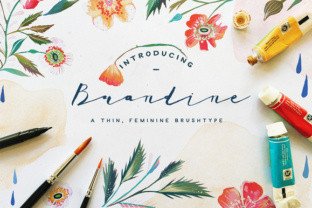
Brandine immediately caught my attention with its soft yet confident script style. It has a clean, flowing energy that feels both modern and slightly whimsical — a great middle ground between elegance and playfulness. The strokes are smooth, the letters have gentle curves, and there's just enough detail to make it feel handcrafted without being overly ornate.
This kind of aesthetic tends to attract buyers who are into handmade businesses, small business branding, and anything that exudes a warm, creative vibe. Think of it as perfect for those who want to add a personal touch to their products without sacrificing professionalism. The mood of Brandine is feminine, festive, and a bit premium — it screams “carefully curated” which is exactly what customers look for when browsing digital downloads or printable designs.
Who Will Love Brandine?
- Crafters and bloggers looking for a decorative font to elevate their content
- Etsy sellers creating greeting cards, planner stickers, or nursery prints
- Print-on-demand entrepreneurs needing high-quality t-shirt or mug graphics
- Canva template designers aiming to build cohesive social media bundles
- Designers working on seasonal collections with a fresh, elegant twist
Testing Brandine in Real Product Applications
I started by testing Brandine across several common sellable formats. First, I layered it onto an SVG mockup for a Cricut project. The cut lines were crisp and easy to follow, which made me optimistic about its usability for die-cut applications. Next, I tried using it as part of a PNG-based clipart bundle. The transparency handled well, and the design maintained clarity even at smaller sizes — though I’ll come back to some caveats later.
I then embedded Brandine into a Canva template for blog headers and found that it paired beautifully with sans-serif fonts like Montserrat or Lato, helping to balance the layout and improve readability. For a product mockup preview, I applied it to a tote bag design and a tumbler wrap. Both looked polished and ready for sale, especially when paired with subtle background textures or minimalist color schemes.
Product Use Cases That Work Well
- SVG Designs: Great for Cricut and Silhouette projects. The vector paths are clean and editable, making customization straightforward.
- Printable Wall Art: Its fluid style translates well to large-scale printables where visual impact matters most.
- Greeting Cards & Invitation Templates: Brandine adds a sense of warmth and personality, ideal for event-related products.
- Planner Stickers: As long as the text isn’t too small, it works well for themed sticker sets.
- T-Shirt Graphics: Looks excellent on cotton blends and pastel colors. Just ensure there’s enough contrast against the base fabric.
- Seasonal Bundles: Especially around holidays or birthdays, Brandine gives a fresh, celebratory edge to design bundles.
Where Brandine Shines in Online Shops
One of the biggest advantages of using Brandine in your creative marketplace listings is how it enhances visual storytelling. Whether you're selling digital paper packs or illustration templates, this design asset helps create a consistent brand identity across all products. It’s particularly effective in building trust and increasing perceived value — two key factors that drive clicks and sales.
For example, I used Brandine in a set of social media graphics for a boutique shop. The thumbnails had strong visual hierarchy and stood out among competitors. Buyers could instantly tell these weren’t generic templates; they felt custom and thoughtfully designed.
Enhancing Listing Appeal with Brandine
- Mockup Previews: Use it prominently in product demos to showcase the design’s adaptability.
- Thumbnail Design: Pair it with bold shapes or bright accents to maximize click-through potential.
- Listing Images: Incorporate it into lifestyle shots or flat lays to maintain brand consistency.
- Product Bundles: Group it with complementary assets to offer a complete package for clients.
- Commercial License Clarity: Always double-check licensing terms before publishing. Brandine comes with a solid commercial license that covers most use cases.
Where to Use Brandine with Caution
While Brandine is a powerful tool in many contexts, it does have limitations. If you're working on tiny sticker details or intricate packaging design elements, the delicate nature of the script might not hold up. I noticed that in very small sizes, some of the finer lettering strokes became less legible, especially if printed on low-resolution materials.
Also, when using it on dark backgrounds, I had to adjust the color and opacity to preserve visibility. On some occasions, the design appeared washed out unless paired with a contrasting fill or stroke. Another thing to watch for is overly complex layouts. While it’s tempting to layer multiple scripts and styles, Brandine should remain the focal point rather than getting lost in a sea of other design elements.
Potential Pitfalls to Avoid
- Small Text Elements: Not ideal for micro-text or labels that require precision.
- Crowded Thumbnails: Let it breathe in your listing visuals to avoid visual clutter.
- Low-Resolution Print Jobs: Test print samples to confirm quality, especially for sublimation or heat transfer methods.
- Text-Heavy Templates: Use sparingly in areas where too much script could hinder readability.
Practical Seller Tips for Using Brandine
If you’re considering adding Brandine to your product lineup, here are a few actionable tips based on my experience:
- Test on Mockups: Try it on different product types (like mugs, t-shirts, and wall art) to see how it scales visually.
- Check Thumbnail Performance: How does it look at 150x150 pixels? Is it still legible and appealing?
- Verify Background Compatibility: Preview it on both white and dark tones to ensure it maintains its charm across variations.
- Confirm File Resolution: Make sure PNGs are at least 300 DPI for print-ready assets.
- Inspect SVG Cut Quality: If using it for physical cutting, verify that the vectors don’t distort or break during resizing.
- Pair Thoughtfully: Combine with serif, sans serif, or display fonts to create a balanced and professional layout.
- Organize Files Clearly: When packaging it as a graphic design asset, provide organized folders for SVG, PNG, and other file types to enhance customer satisfaction.
Final Thoughts: Is Brandine Worth Adding to Your Toolkit?
In short, yes. Brandine is a versatile and attractive Script Amp design that can support a wide range of digital and print products. It’s not a one-size-fits-all solution, but for the right niches — such as handmade shops, seasonal collections, or brand identity work — it can significantly boost the professionalism and marketability of your offerings.
What really impressed me was how it helped unify a collection of unrelated designs into a coherent theme. Whether I was working on a greeting card or a planner layout, Brandine added a touch of creativity and class that elevated the whole project. For someone preparing a launch on Etsy or another creative marketplace, this is the kind of asset that can make your listings stand out without overcomplicating things.
Remember to test it thoroughly before publishing any final products. Every platform and printing method reacts differently, and ensuring Brandine performs well under all conditions will help prevent customer dissatisfaction. But if you do the groundwork and understand where it fits best, Brandine can become a reliable and profitable part of your design toolkit.