Seilla Script Review: A Designer’s Perspective on Real Project Use
As an embroidery designer with years of experience in both personal and commercial projects, I always take a close look at new script designs before adding them to my toolkit. Seilla Script caught my attention not just for its aesthetic but for how it feels when you start thinking about the practical applications. Let me walk you through what makes this design worth considering — and where it might need careful handling.
First Impressions: The Visual Personality of Seilla Script
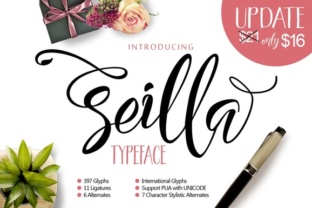
From the moment I opened the digital embroidery file, Seilla Script made a strong impression. It has a soft, flowing character that leans into elegance without being overly ornate. The curves are balanced, and the spacing between letters is generous enough to maintain legibility even in longer phrases. This gives it a natural rhythm that works well for names, quotes, or short messages — especially in personalized gifts or handmade products.
The overall mood of the design is warm and approachable. It feels like something you’d see on a boutique sweatshirt or a custom tote bag destined for an Etsy listing. Its visual personality suggests a blend of creativity and professionalism, making it suitable for both craft business owners looking to add a signature touch and embroidery project enthusiasts who value clean, readable script.
What Kind of Projects Fits Best?
- Baby clothes and nursery decor: The gentle lines make it ideal for little ones’ items.
- Holiday gifts: Whether it's a festive pillow cover or a personalized blanket, the design adds charm without clutter.
- Custom apparel: Perfect for sweatshirts or t-shirts where style and readability matter equally.
- Embroidered patches: The consistent height and flow help it stand out as a decorative accent.
Real-World Performance: What Happens After Stitching?
I recently used Seilla Script for a batch of custom aprons intended for a local market vendor. The goal was to stitch names across the front in a way that felt personal yet professional. Here’s how it performed:
- Satin stitch areas were smooth and evenly spaced, which helped maintain the integrity of each letterform.
- Stitch density was moderate, allowing for flexibility on different fabrics without overstuffing the design.
- The thread colors I tested worked well on light cottons, but I noticed some fading when using pastel shades on darker backgrounds.
- On flat surfaces like tote bags, the layout held up beautifully. On curved surfaces such as caps, though, I had to adjust the positioning carefully to avoid distortion.
One thing I appreciated was how the design maintained clarity even when scaled down slightly. That said, if you're working with tiny lettering or small hoop sizes, it’s best to test first. Seilla Script can handle modest reductions, but pushing it too far might compromise the fine details in the serifs and connectors.
Customer Reaction and Marketability
In the case of the aprons, customers loved the subtle sophistication of the name embroidery. They found it easy to read and visually appealing — two key factors for small shop product branding. As an Etsy seller, I know that presentation matters. Seilla Script added just the right amount of personality to elevate the product from generic to memorable.
Its giftability is also high. When applied to a pillow cover or a kitchen towel, it brought a handmade feel that resonated with buyers looking for thoughtful, curated items. For holiday embroidery, it paired well with simple accents like stars or hearts, creating a cohesive look without overwhelming the piece.
Where to Use It Carefully
While Seilla Script is versatile, there are a few scenarios where it requires extra consideration:
- Textured fabrics: The design can lose definition on materials like canvas or denim unless properly stabilized.
- Thin or stretchy fabric: These can cause slight puckering in dense stitch areas, so using a stabilizer is essential.
- Dense stitch areas: If your project involves heavy stitching around the text, consider adjusting the placement or using lighter stitch styles nearby.
- Curved surfaces: While it can be adapted for hats or curved patches, manual adjustments are often needed for optimal results.
- Frequent washing: Designs stitched onto garments like baby clothes or tea towels should be backed with tear-away or wash-away stabilizers to prevent loosening over time.
Design Considerations for Longevity
For long-term use in commercial embroidery, I recommend testing Seilla Script on scrap fabric first. Look closely at how the stitch density interacts with your machine and thread tension. You may find that reducing the stitch count in certain areas improves the finish while still keeping the design recognizable.
Also, don’t overlook the importance of thread color contrast. In one test run, I used a light blue thread on a white tote — it looked great. But when I tried the same shade on gray fabric, the text became harder to read. Always preview your design in black-and-white mockups to ensure visibility under all lighting conditions.
Brand Consistency and Professional Appeal
Seilla Script is excellent for maintaining brand consistency. Its clean structure allows it to repeat reliably across multiple design assets, from logo placements on caps to embroidered tags on patches. As someone who handles printable mockups for clients, I’ve found that it translates well in digital previews, helping buyers visualize the final product accurately.
That said, keep in mind that Script Amp offers this as part of a broader collection, so if you’re building a suite of related designs, check whether other elements complement Seilla Script’s style. It works best in environments where simplicity and elegance are the goals.
How It Elevates Product Value
When applied correctly, Seilla Script doesn’t just look good — it enhances the perceived value of the finished product. For handmade shop owners, it can serve as a signature element that distinguishes their work from mass-produced goods. For apparel decorators, it brings a refined edge to custom orders.
It also builds customer trust. People associate well-executed script with quality craftsmanship. So when you use Seilla Script in a sweatshirt or custom apparel item, you're subtly communicating care and attention to detail — qualities that drive buyer engagement and repeat sales.
Designer Tips for Getting the Most Out of Seilla Script
If you're planning to integrate Seilla Script into your workflow, here are some real-world tips based on actual project outcomes:
- Test on scrap fabric before committing to a full run. Different machines and threads behave differently.
- Review stitch density settings to match your machine and fabric type. Too tight and it puckers; too loose and it loses definition.
- Confirm hoop size requirements. Some script designs demand more space than others to avoid overlapping stitches.
- Inspect small details like serifs and corners. These are where issues often arise during stitching.
- Use proper stabilizer to support the design, especially on stretchy or thin materials.
- Check licensing if you plan to sell finished products or digital embroidery files. Always confirm usage rights before going live on platforms like Etsy or in craft fairs.
Adaptability in Commercial and Personal Projects
Seilla Script performs consistently across both personal and commercial uses. Whether you're making a patch for a friend or designing a line of small shop merchandise, the design adapts well to various scales and purposes. However, for high-volume production, it’s important to verify that the design holds up under repeated stitching and fabric types.
Final Thoughts for Embroidery Designers and Craft Business Owners
Seilla Script is a solid choice for anyone looking to add a touch of refinement to their embroidery project. It’s not flashy, but it carries a quiet confidence that speaks volumes. When placed thoughtfully, it can enhance the product recognition and professionalism of your work.
Just remember to adapt based on your materials and application method. With a bit of preparation and testing, Seilla Script can become a reliable part of your creative arsenal — whether you're crafting a personalized gift or scaling up for a craft business.
Take the time to evaluate how it fits into your existing design language. And when you do, let the embroidery file guide you toward the most impactful use cases. Your customers will thank you for it.