Cod Watercolor Embroidery Design Review
As an embroidery designer with years of experience in crafting and evaluating digital embroidery files for real-world applications, I recently tested the Cod Watercolor design across several common projects. The name alone hints at a soft, artistic aesthetic, and this design lives up to that expectation in both visual appeal and technical performance—when used thoughtfully.
First Impressions: Mood and Visual Personality
The Cod Watercolor design immediately stands out for its gentle, organic feel. It’s not rigid or geometric—it has a hand-painted quality that feels warm and inviting. The watercolor effect gives it a fluid, dreamy look, perfect for creating a sense of calm or whimsy on any project. This kind of illustration is ideal for those who want their embroidered items to reflect a more artisanal, less industrial style.
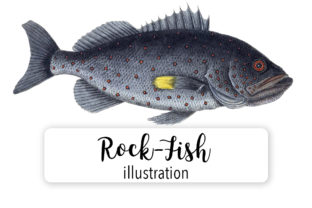
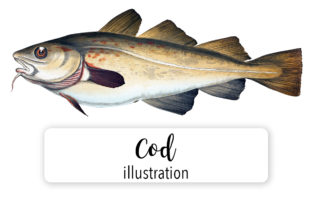
I was drawn to how the cod (a fish often associated with coastal themes) is rendered with subtle gradients and soft edges. The layout is centered and balanced, which makes it easy to place on garments or accessories without overwhelming the space. The detail level is just right—not too intricate to get lost in stitching, but enough to capture attention and add character.
What Kind of Project Does It Fit?
This design naturally belongs on handmade products like tote bags, sweatshirts, and nursery decor. Its muted tones and flowing lines would also make a strong statement on personalized gifts, such as custom baby clothes or holiday-themed pillow covers. For Etsy sellers and small shop owners looking to elevate their product line, the Cod Watercolor could serve as a signature motif for a boutique brand focused on nature-inspired, minimalist designs.
Real-Life Embroidery Performance
After using the Cod Watercolor design on a few test pieces—including a cotton sweatshirt, a linen apron, and a patch for a denim jacket—I can say it performs well when applied to mid- to large-sized hoop areas. The stitch types are mostly fill stitch and some running stitch for outlines, which keeps the design from becoming too heavy or stiff after embroidery.
- Satin Stitch Areas: The body of the cod uses satin stitch effectively, maintaining smooth curves and depth. However, because the watercolor effect involves gradual blending, the transitions between thread colors might be slightly uneven depending on the machine and tension settings.
- Stitch Density: The density is moderate, so it won’t strain most machines unless you're working with very thin or delicate fabric. I recommend adjusting the stitch density based on your material choice to avoid puckering or distortion.
- Fabric Texture: On medium-weight fabrics like quilting cotton or twill, the design looks crisp and clean. But when stitched onto textured materials like burlap or canvas, the softness of the watercolor can become muddied, especially if the stabilizer isn’t chosen carefully.
Thread Color Contrast and Fabric Choice
One thing I noticed early on is that the thread color contrast plays a big role in how the Cod Watercolor comes out. The design works best on light-colored backgrounds where the soft blues and whites can stand out. On darker fabrics, the watercolor effect loses some of its ethereal charm, and the image appears more shadowed than intended.
If you're planning to use this on a dark background, consider outlining the main elements with a contrasting thread color to maintain visibility. Also, test the design in black and white mockups before finalizing the color palette—this will help you see how the value shifts translate into actual stitches.
Where to Use It Carefully
While the Cod Watercolor is versatile, there are a few scenarios where it needs special attention:
- Small Hoop Sizes: If you’re working with a patch under 4 inches, this design may appear too detailed and lose clarity. Simplify the file or reduce the size gradually while testing for legibility.
- Stretchy Fabrics: Stretchy materials like jersey knits can distort the shape of the cod if not stabilized properly. Use a cut-away or tear-away stabilizer to keep the form intact.
- Dense Stitch Areas: In parts where multiple layers of fill stitch are used, such as the tail or fins, the design can become slightly bulky. Monitor these sections closely during the first run-through.
- Products That Need Frequent Washing: Because of the delicate nature of the design, ensure that your fabric and stabilizer choices are suitable for repeated laundering. A high-quality polyester stabilizer can help preserve the integrity over time.
Commercial vs. Personal Projects
The Cod Watercolor design has a unique charm that fits well in both personal and commercial embroidery projects. For handmade shops or craft businesses, it adds a touch of sophistication to everyday items. As a digital embroidery file, it can easily be integrated into printable mockups for online listings, helping buyers visualize the finished product before purchasing.
However, for commercial embroidery at scale, the design requires careful evaluation. You’ll need to confirm whether it’s licensed for resale and check compatibility with different embroidery machines. Always verify the file formats and recommended hoop sizes before committing to bulk production.
Customer Reactions and Brand Value
When showing the Cod Watercolor design on a sample sweatshirt to potential customers, the reaction was overwhelmingly positive. People appreciated the artistic flair and found it appealing for holiday gifts or nursery décor. The soft blue hues gave it a soothing, modern vibe that resonated well with eco-conscious or lifestyle-oriented brands.
Using this design can significantly enhance the product value and perceived professionalism of your offerings. Customers associate watercolor-style illustrations with creativity and customization, making them more likely to view the item as a personalized gift rather than mass-produced merchandise.
Giftability and Recognition
Embroidered items featuring Cod Watercolor have excellent giftability. Whether it's a custom cap for a fishing enthusiast or a tea towel for a nautical-themed kitchen, the design brings a sense of individuality and charm. It’s also highly recognizable, which supports brand consistency if you plan to feature it in multiple products or even as part of a series.
Buyers tend to engage more with products that include such thoughtful visuals. The design encourages storytelling and emotional connection, two key factors in successful craft fair or Etsy listing conversions.
Designer Notes and Best Practices
Here are some practical tips I’ve picked up while working with the Cod Watercolor design:
- Test on Scrap Fabric First: Especially if you're new to the design, always do a trial run. Different machines and threads can alter the outcome subtly but noticeably.
- Check Thread Colors: Ensure the thread colors in your design match the visual intent of the watercolor effect. Some embroidery software allows you to preview the color impact before stitching.
- Review Stitch Density: If you notice any stiffness or puckering in the sample, adjust the stitch density accordingly. Too much pressure can flatten the design’s natural flow.
- Confirm Hoop Size: While the design is scalable, it doesn't always adapt perfectly to smaller hoops. Double-check the minimum suggested size in the documentation, or experiment with scaling down carefully.
- Inspect Small Details: The watercolor shading includes fine details that might get lost on stretchy or thin materials. Test these areas to ensure they remain visible and consistent.
- Use Proper Stabilizer: A good stabilizer is essential here. Tear-away is usually sufficient for most cottons, but for anything stretchier or heavier, go with a no-show or cut-away type.
- Confirm Licensing: Before selling finished products or digital embroidery files, always review the licensing terms of the Illustrations used. Some designs are strictly for personal use, and others require attribution or royalty fees for commercial application.
Final Thoughts
The Cod Watercolor design is a standout for its artistic quality and adaptability. It blends seamlessly into a variety of embroidery projects, from casual custom apparel to elegant holiday gifts. When used appropriately—on the right fabric, with the right stabilizer and thread—the result is a handmade product that feels thoughtful and professional.
Its ability to evoke a specific mood sets it apart from generic applique designs. You're not just adding a logo or pattern; you're embedding a feeling into your product. That kind of visual storytelling is invaluable for small shop owners and creative entrepreneurs aiming to build a distinctive brand identity through embroidered patches, caps, or design assets.
Remember, every machine embroidery design has its limits and sweet spots. Treat Cod Watercolor with care, and it will reward you with beautifully stitched, emotionally engaging finished products that speak volumes about your attention to detail and creative vision.