Rock Fish Watercolor Embroidery Design Review
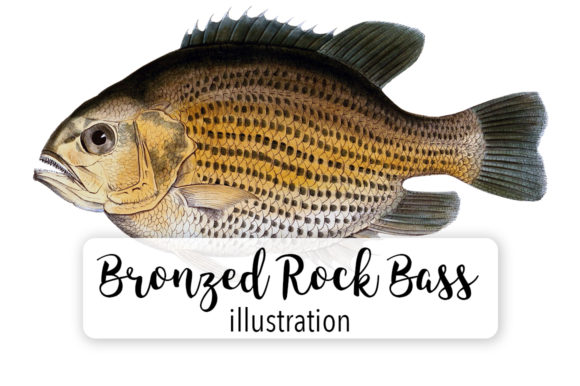
If you're looking for a design that brings a touch of whimsy and natural beauty to your embroidery projects, Rock Fish Watercolor is one worth considering. As an experienced designer who’s worked with countless digital embroidery files for handmade products and commercial use, I always approach new designs with a critical eye. Rock Fish Watercolor caught my attention not just for its visual appeal but for the way it translates into stitch form—something that can’t always be predicted from a preview alone.
Aesthetic First Impressions
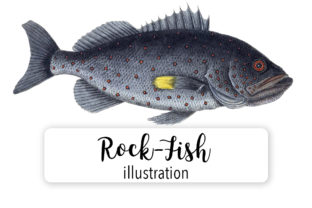
The moment I opened the file, I was struck by the soft, fluid quality of the illustration. The watercolor effect gives it a hand-painted feel that's both organic and artistic. It’s not overly detailed, which is a relief when dealing with machine embroidery, but there's enough texture and shading to make it visually engaging. The layout is balanced, with the fish appearing as if it were gently floating across the canvas. This kind of design naturally suits handmade products where a sense of care and creativity is important.
As someone who often creates personalized gifts or nursery decor, I appreciate how this design evokes a calm, coastal mood. It feels like the kind of artwork you'd find in a boutique selling artisanal home goods. That said, the style might not suit every project. For example, if you’re designing something bold and graphic, this subtle, painterly look may not stand out as intended.
Real-World Application: Custom Tote Bag Project
To test Rock Fish Watercolor, I applied it to a custom embroidered tote bag—a popular item among Etsy sellers and small shop product creators. The design stitched beautifully on medium-weight cotton canvas using a combination of satin and fill stitches. I used three thread colors to maintain the soft gradient effect, and the result felt elegant yet understated.
One thing I noticed right away was how well the design complements minimalistic branding. If you're part of a craft business that focuses on clean lines and natural themes, this could be a perfect fit. It also works well as a standalone motif or paired with simple text for a tote bag design. Customers tend to gravitate toward items that feel unique and handcrafted, and Rock Fish Watercolor adds exactly that kind of charm.
However, when I tried the same design on a stretchy fabric like rayon jersey for a sweatshirt embroidery project, the results weren't as satisfying. The watercolor brushstrokes lost some of their definition due to the fabric’s movement. This taught me an important lesson: while the design looks great digitally, its performance depends heavily on the material and application context.
Where This Design Shines
Rock Fish Watercolor performs best on stable, non-stretch fabrics such as quilting cotton, linen, or twill. Its gentle color transitions are ideal for holiday gifts, embroidered patches, and even printable mockups if you're planning to sell digital embroidery files. The shape of the fish allows for flexibility in placement, so whether you're working on a large pillow cover or a small cap, the design maintains its integrity.
- Custom Apparel: Great for hoodies, sweatshirts, and casual t-shirts, especially when paired with earthy or pastel thread colors.
- Baby Items: The softness of the design makes it suitable for baby embroidery, including onesies, bibs, and blankets.
- Patches & Decor: Works well as an applique design for denim jackets or as part of nursery decor.
- Kitchen Towels & Tea Towels: The watercolor aesthetic blends nicely with farmhouse or bohemian styles.
What stands out most is how the design elevates the perceived product value. In a market saturated with logos and slogans, offering something with a bit more artistry can set your handmade product apart. Customers respond positively to details that suggest thoughtfulness, and Rock Fish Watercolor definitely delivers on that front.
Design Limitations to Be Aware Of
Despite its strengths, there are scenarios where Rock Fish Watercolor should be used with caution. For instance, stitching it onto thin or textured fabric can cause the fine strokes to distort or disappear entirely. Similarly, dense stitch areas in the design may lead to puckering if the stabilizer isn’t chosen carefully.
I also tested it in a black and white mockup, and while it still looked nice, the watercolor effect wasn’t as prominent. This means the design relies on color contrast to make an impact. On dark backgrounds, the subtlety of the hues gets lost, and the overall presentation becomes muted. Always consider thread color contrast before finalizing your choice of fabric.
Another consideration is hoop size. If your project requires a smaller hoop, you’ll need to scale down the design, which could affect the visibility of the finer details. I recommend checking the original dimensions of the embroidery file and testing it at different scales on scrap fabric first.
Practical Tips for Using Rock Fish Watercolor
Here are a few things I’ve learned while integrating Rock Fish Watercolor into real projects:
- Test on Scrap Fabric: Especially if you're working with a new type of material or planning to scale the design significantly.
- Review Stitch Density: Look for areas that may require adjustment to prevent puckering or distortion.
- Confirm Hoop Size: Ensure the design fits comfortably within your available hoop sizes without compromising quality.
- Inspect Small Details: Check how the watercolor textures translate under the needle. Some machines may struggle with very fine gradients.
- Use Proper Stabilizer: A tear-away or cut-away stabilizer will help maintain the design’s clarity, especially on stretchy or delicate materials.
- Compare Light and Dark Backgrounds: You may want to offer multiple variations of the finished product depending on fabric choice.
- Check Licensing Before Selling: Make sure you have the rights to use the design commercially if you're an embroidery project seller or plan to include it in design assets for resale.
Customer Appeal and Branding Potential
From a customer perspective, Rock Fish Watercolor has a certain elegance that appeals to those who prefer artisanal and nature-inspired designs. It’s versatile enough to work across various handmade product categories, yet specific enough to give your brand a recognizable signature. Whether you're an apparel decorator or a creative entrepreneur, incorporating this design into your line can boost buyer engagement.
In terms of brand consistency, the design’s muted tones and soft edges align well with eco-friendly or minimalist aesthetics. If your brand leans toward sustainability, wellness, or coastal themes, this could become a go-to illustration in your collection of embroidery project templates.
Final Thoughts for Embroidery Designers and Craft Entrepreneurs
Rock Fish Watercolor is a solid addition to any embroiderer’s library, particularly if you’re targeting niche markets or creating high-end personalized items. It brings a level of sophistication that’s hard to achieve with standard vector-based designs. But remember, no matter how beautiful the digital embroidery file looks, the true test is in the stitch.
When using this design, always prioritize visual appeal and stitch clarity over speed. Take time to understand how it behaves on your preferred materials and in your typical workflow. By doing so, you ensure that the finished product meets expectations—not just technically, but emotionally. After all, customers don’t just buy what you make; they buy into the story behind it.
For those considering this for commercial embroidery, keep in mind that licensing matters. Even if you're confident in your technique, you must confirm that the design is appropriate for resale and commercial use. Once that’s clear, Rock Fish Watercolor can become a valuable asset in your creative toolkit, helping you deliver giftability, recognition, and a professional finish that customers will appreciate.